
What Is Crypto Trading? A Beginner's Complete Guide
Crypto trading is the buying and selling of digital currencies, known as cryptocurrencies, on an exchange. The most well-known coins are Bitcoin (BTC) and Ethereum (ETH), but there are thousands of others, often called altcoins. Traders try to buy a coin at a lower price and sell it at a higher price, or in some markets, profit from a price fall. The difference between the buy price and the sell price, minus fees, is the profit or loss.
Unlike a stock market that opens and closes, the crypto market never sleeps. It runs 24 hours a day, seven days a week. That makes it exciting, but it also means prices can move sharply while you are asleep, at work, or away from your phone. A coin can rise or fall by 10 percent or more in a single day. That speed is why education and risk management matter far more in crypto than in most other markets.
How Crypto Trading Works
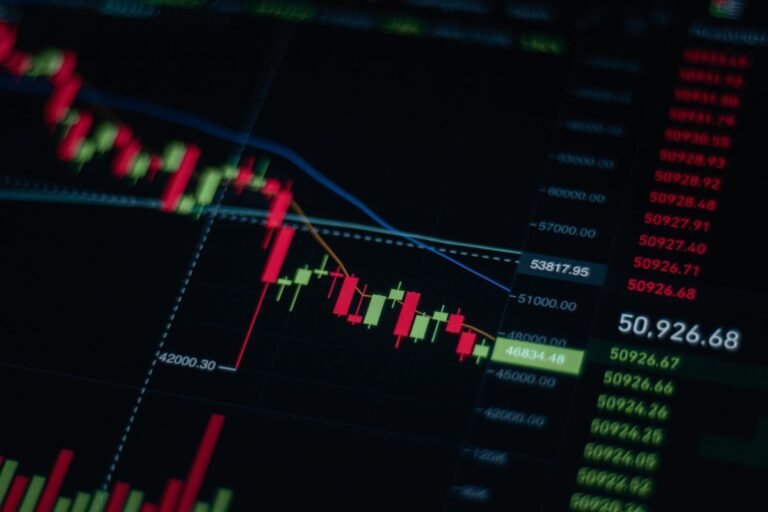
A cryptocurrency is a digital asset that runs on a technology called a blockchain. When you trade crypto, you usually do it on an exchange such as Binance. The exchange matches buyers and sellers and shows a live price chart for each coin pair, for example BTC/USDT, where USDT is a stablecoin whose value is designed to stay close to one US dollar.
To place a trade, you first create an account on an exchange, deposit funds, and choose a coin. You then decide how much to buy and at what price. A market order buys immediately at the current price. A limit order only buys if the price reaches the level you set. When you want to exit, you sell the coin back, ideally for more than you paid. Every trade usually carries a small fee, so frequent trading can eat into your money even when your calls are right.
Most beginners start with spot trading, which means buying the actual coin and holding it in your account. You own the asset, and you can sell it whenever you choose. Futures trading is different: you are trading a contract based on the coin's price, often with leverage, which means borrowed money. Leverage can multiply gains, but it can also multiply losses and wipe out an account quickly. Beginners should understand spot trading well before they even look at futures.
What You Need Before Your First Trade
You do not need a large amount of money to learn. In fact, starting small is one of the smartest things a beginner can do. Many new traders lose money early because they start with an amount they cannot afford to lose. A better approach is to treat your first months as tuition: use a small amount, focus on learning, and only increase your size when you can explain exactly why you entered and exited each trade.
Most importantly, you need a plan. A plan answers three questions before you buy: why am I entering this trade, where will I exit if I am wrong, and how much am I risking? If you cannot answer those three questions, you are not trading with a plan. You are guessing.
How Traders Analyse the Market
Traders generally use two kinds of analysis. Fundamental analysis looks at the coin itself: what problem it solves, who is building it, how active its community is, and whether there is real demand for it. A coin with a genuine use and an active team is different from a coin that exists only because of hype on social media.
Technical analysis looks at the price chart. Traders study trends, support and resistance levels, volume, and indicators such as the Relative Strength Index (RSI). The RSI is a number from 0 to 100. As explained in the Sir Noman Method course on Scalprbot, an RSI below 30 often means a coin has been sold heavily, while an RSI above 70 often means it has been bought heavily. No single indicator is a magic signal. Good traders use several pieces of evidence together and wait for them to agree.
The Risks Beginners Often Underestimate
The biggest risk in crypto is volatility. Prices move fast, and a coin that looks strong in the morning can fall sharply by the evening. News, exchange problems, regulation, and sudden changes in sentiment can all move prices. A second risk is leverage. Many exchanges offer high leverage, and beginners who use it often lose their whole balance on one bad trade. A third risk is scams: fake coins, fake giveaways, and people promising guaranteed returns. If someone guarantees you a profit in crypto, that is a warning sign, not an opportunity.
Security is also part of trading. Use strong passwords, turn on two-factor authentication, and never share your login details or recovery phrases with anyone. Keep most of your funds on a trusted exchange or in a wallet you control, and be careful with links sent by strangers.
Risk Disclaimer
Crypto trading is risky. This article is for education only and is not financial advice. You can lose money. Do your own research.